


PUPPY PREPARATION CHECKLIST - Everything You Need Before Your New Pup Arrives
Updated: Apr 7
Bringing a puppy home is exciting — but preparation is key to starting off on the right paw! This checklist covers everything from research and adoption decisions to puppy-proofing, tools, and training, so both you and your pup feel confident from day one.
You can download the PDF checklist here
Research - Choosing the Right Puppy for You
Before you get a puppy, take the time to research thoroughly. Choosing a dog is a long-term commitment that affects both your life and your pup’s well-being for years to come. Understanding different breeds, energy levels, grooming needs, and temperaments helps you select a dog that fits your lifestyle, living space, and daily routine — which can prevent stress, frustration, or behavioral problems down the line. Research also helps you make informed decisions about whether to adopt or buy, ensuring you avoid supporting unethical breeders and give a puppy the best possible start. By investing time upfront, you set yourself and your future dog up for a happier, healthier, and more harmonious life together.
Breed or Mix Considerations
When choosing a puppy, think beyond appearance — consider lifestyle compatibility
Size
Small breeds may be easier to manage in apartments but can be delicate with young children.
Medium and large breeds may need more space and exercise but can be calmer indoors if properly trained.
Giant breeds may have higher health costs and shorter lifespans.
Energy Levels
High-energy breeds (Border Collies, Jack Russell Terriers) need daily intense exercise and mental stimulation.
Low-energy or moderate-energy breeds (Bulldogs, Basset Hounds) may adapt better to a quieter lifestyle or smaller space.
Consider your work schedule: a busy owner may not be able to meet a hyperactive puppy’s needs without help.
Grooming Needs
Long-haired or double-coated breeds require regular brushing, occasional trimming, and attention to shedding.
Short-haired breeds may still need skin and coat care, but maintenance is simpler.
Grooming time can add up — make sure you realistically have the time or budget for professional grooming if needed.
Compatibility With Lifestyle
Apartment vs house: Some dogs need outdoor space or a yard, others adapt well to apartment living if walked regularly.
Children and other pets: Research breed temperament and socialization needs.
Work schedule: Puppies need time, attention, and consistent routines — breeds that tolerate alone time vary.
🐾 Tip: Mixed-breed dogs can offer a balance of traits, but you’ll want to observe parent breeds or ask rescue centers for behavioral insight.
Rescue vs Buying
Deciding between rescuing a puppy or buying from a breeder is an important step. Rescue gives a dog a second chance at life and helps reduce the demand that fuels unethical breeding, and many rescues have young puppies as well as older dogs that fit different lifestyles. Choosing a rescue also often comes with initial vet checks, vaccinations, and behavioral guidance, making the transition smoother. If you do decide to buy, it’s essential to choose a responsible, ethical breeder who prioritizes the health and socialization of their puppies. Avoid puppy mills or backyard breeders, as these often produce dogs with genetic issues, health problems, and behavioral challenges. Taking the time to research and make the right choice ensures your puppy starts life in a safe, loving environment — and sets you up for a long, happy relationship together.
Rescue / Shelter
Saves a life and helps reduce overpopulation.
Puppies and young dogs are available — you can find small breeds, specific needs, or mixed breeds.
Often includes initial vet checks, vaccinations, and microchipping.
Rescue teaches compassion and reduces support for unethical breeding.
Buying from a Breeder
Only consider responsible, ethical breeders.
Avoid puppy mills or backyard breeders — risks include poor health, genetic issues, and behavioral problems.
Ensure transparency: health certificates, early socialization, and a safe environment.
Tip: Even if you ultimately buy, consider local rescues first — you might find the perfect pup waiting for you.
Puppy Checklist - Puppy-Proofing Your Home
Make your home safe before your puppy arrives

Remove toxic plants, wires, choking hazards, and small objects.
Secure cabinets with cleaning supplies or food.
Create a safe, cozy space for your puppy to sleep and rest.
Check out our full Puppy-Proofing Checklist here
Building Your Puppy Support Network
Before bringing your puppy home, it’s essential to have a reliable support network in place. Puppies grow fast, have lots of needs, and will inevitably challenge you in ways you may not expect. Having trusted professionals ready — from healthcare to training to grooming — ensures you and your puppy get the guidance, care, and reassurance you need. A well-prepared support system makes the transition smoother, helps prevent issues from escalating, and sets your puppy up for a happy, healthy start in life.
Choosing the Right Veterinarian
Your vet will be your go-to expert for vaccinations, health checks, and advice on your puppy’s wellbeing. When selecting a vet, check reviews online, ask for recommendations from local dog owners, and compare prices for routine services. It’s also worth visiting the clinic beforehand to make sure you feel comfortable with the team and that the environment is clean, friendly, and welcoming for your puppy.
Finding a Qualified Dog Trainer or Behaviourist
A good trainer or behaviourist can help you establish healthy habits, prevent common behavioural issues, and guide you through training challenges. Look for professionals with verified qualifications, positive client reviews, and experience with puppies. Asking for local recommendations and observing a class or session in person can also help you find someone whose style matches your training goals.
Selecting a Groomer
Regular grooming keeps your puppy healthy and comfortable, from maintaining a shiny coat to preventing mats and checking for skin issues. Choose a groomer with experience with your puppy’s breed, positive reviews, and a calm, safe approach. Visiting the salon beforehand and asking how they handle young or nervous puppies can ensure a positive experience.
Finding a Dog Sitter or Daycare
If you plan to be away from home, a trustworthy dog sitter or daycare can give your puppy supervision, socialisation, and care in your absence. Ask for recommendations from local owners, read reviews, and meet the sitter or visit the facility before committing. A good sitter will be reliable, flexible, and genuinely caring, giving you peace of mind when you’re apart from your puppy.
Essential Tools and Supplies
Sourcing the right tools and supplies before your puppy arrives is key to a smooth transition. Having everything ready ensures your new pup feels comfortable, safe, and settled from day one, while also making your life as an owner easier. Essential items include feeding bowls and high-quality puppy food, a cozy bed or crate, a collar and leash, grooming tools, chew toys, and interactive toys for mental stimulation. Don’t forget safety items like ID tags, waste bags, and a first vet appointment. Investing in quality products upfront not only supports your puppy’s health and well-being but also helps establish routines and encourages positive behavior from the start.

FEEDING
Providing your puppy with the right food and feeding setup is essential for healthy growth. Use appropriately sized bowls, measure portions carefully, and choose high-quality puppy food to ensure balanced nutrition. A consistent feeding routine also helps with house training and digestion.
Food & Drink Bowls
Choosing the right food and water bowls helps make mealtimes comfortable and stress-free for your puppy. Opt for sturdy, non-slip bowls made from materials like stainless steel or ceramic to prevent tipping and reduce mess. Make sure bowls are the right size for your puppy and easy to clean, as good hygiene supports digestion and overall health. Having a dedicated water bowl available at all times encourages healthy hydration.
Raised Food & Drink Stations

Choose sturdy, non-slip bowls. For larger breeds I recommend raised bowls to reduce strain on the neck and joints. This adjustable tray with stainless steel bowls is perfect for all size and age
Ceramic Dog Bowl for Floppy-Eared Breeds

This specially designed ceramic bowl helps keep long, floppy ears out of your puppy’s food, making mealtime cleaner and more comfortable. The sturdy ceramic construction is durable, easy to clean, and prevents tipping, while the unique shape guides the ears away from the bowl. It’s a great choice for breeds like Cocker Spaniels or Basset Hounds, ensuring they can eat comfortably without mess or discomfort.
Slow Feeders

Slow feeders are specially designed bowls that encourage puppies to eat at a slower pace, preventing them from gulping down their food too quickly. This can reduce the risk of bloating, digestive issues, and overeating, while also providing a bit of mental stimulation as they navigate the bowl’s patterns to reach their kibble. Slow feeders are particularly useful for high-energy or greedy eaters and help establish healthier eating habits from an early age.
PUPPY FOOD

Most reputable rescues and breeders will provide some of the food your puppy has been eating, which helps make the transition to their new home easier. It’s important to continue feeding this food initially, as sudden changes can upset a puppy’s sensitive digestive system. If you plan to switch to a different food, do so gradually over 7–10 days by slowly mixing the new food with the old, increasing the amount each day. This gentle transition helps avoid stomach upsets and allows your puppy to adjust comfortably. For a more in-depth look at food types, ingredients, and how to choose the best nutrition for your dog, read our Ultimate Guide to Choosing the Best Food for Your Dog
My Recommendations
Butternut Box

Butternut Box is a fresh, gently cooked dog food brand designed to provide balanced, high-quality nutrition using simple, human-grade ingredients. Their meals are tailored to your dog’s individual needs, making it an easy option for owners who want to feed fresh food without the hassle of cooking themselves. Many dogs thrive on fresh diets thanks to improved digestion, healthier coats, and better energy levels. If you’re curious to try it, you can get
Pure Dog Food

Pure Pet Food offers gently dehydrated meals made with high-quality, natural ingredients, providing a convenient way to feed fresh without needing freezer space. Simply add warm water to re-hydrate the food, making it an ideal option for owners who want flexibility while still prioritizing nutrition. This type of food can be easier to digest, supports healthy energy levels, and is great for dogs with sensitivities. If you’d like to try Pure Pet Food, you can access a
Dog Treats & Chews
Treats play an important role in training, bonding, and rewarding good behavior. For everyday training, I often recommend using plain cooked chicken breast — it’s a high-value reward that most dogs absolutely love, while also being natural, easy to prepare, and simple to portion. Chicken can be batch-cooked and frozen, so you always have training treats ready when you need them. If you prefer to buy treats, look for high-quality, natural options with minimal ingredients and no added sugar, artificial coloring, or unnecessary additives. Choosing clean, simple treats helps support your dog’s health while keeping training effective and enjoyable. Below are some of my personal favorites.
Treats

Barker & Barker Little Liver dog training treats
100% Human grade, grain free, low calories, high in protein and vitamin B with no artificial additives. Small pieces perfect for training

Purest Chicken Nibble dog treats
100% Natural, Grain Free, Low Fat, Raw Dog Treats for Puppies and Adult dogs with sensitive stomach
Natural Chews

Dog Treat Box
All natural healthy dog chew box, grain free and hypoallergenic

Yak Chews
These natural yak chews come with interesting flavors of pumpkin, peanut butter & blueberries. Long lasting fun that your pup will absolutely love
SLEEPING & ACCESS
A safe, comfortable sleeping area helps your puppy feel secure and rested. Provide a cozy bed or crate, soft blankets, and a quiet corner away from noise and foot traffic. Good sleep habits from the start make your puppy calmer and easier to train.
Bed
Choosing the right bed helps your puppy feel safe and comfortable while resting. Look for a bed that is soft but not overstuffed with materials that are too fluffy or crinkly, as these can make noise when your puppy moves and may encourage chewing. A durable, easy-to-clean bed in an appropriately sized design gives your puppy a secure space to sleep, helps establish good sleep habits, and supports overall comfort and wellbeing.
Orthopedic Dog Bed with Waterproof, Washable Cover

An orthopedic bed provides extra support for growing puppies and helps protect joints as they develop, making it especially useful for larger breeds or puppies prone to joint issues. Look for one with a waterproof, washable cover to keep the bed clean and hygienic, and choose durable materials that can withstand playful puppies. This type of bed combines comfort, health benefits, and practicality, giving your puppy a cozy space to rest while making maintenance easy for you.
Crate
Crate training can be one of the most beneficial tools for raising a happy, confident puppy when done correctly.
While humans may sometimes view a crate as a “prison,” dogs naturally seek out small, enclosed spaces where they feel safe and secure.


While humans may sometimes view a crate as a “prison,” dogs naturally seek out small, enclosed spaces where they feel safe and secure. When introduced gradually and positively, a crate becomes your puppy’s personal sanctuary — a calm, cosy place to rest, switch off, and feel protected. Crate training also supports house training, encourages independence, and can help prevent separation anxiety by teaching your puppy that alone time is safe and temporary. With soft bedding, familiar scents, and positive associations, many dogs grow to see their crate as the safest place on earth.
Heavy-Duty & Military-Grade Crates

For strong, large, or highly determined breeds, a military-grade crate can provide extra safety and peace of mind. These heavy-duty crates are built with reinforced materials and secure locking systems, making them ideal for dogs that can bend, break, or escape standard wire crates. When introduced positively, they offer the same sense of security and comfort as a regular crate, while ensuring your dog stays safe when unsupervised or during travel. For powerful breeds or dogs prone to anxiety-driven escape attempts, a sturdy crate helps prevent injury and supports calm, structured downtime.
Puppy Pens
Puppy pens are a valuable tool for safely managing your puppy’s environment during their early weeks at home. Young puppies are naturally curious and explore the world with their mouths, which makes unrestricted access overwhelming and potentially unsafe. Using a puppy pen allows you to limit their space at first, helping them learn boundaries, settle more easily, and avoid developing unwanted behaviors. As your puppy grows and gains confidence, access can be gradually expanded, teaching them how to navigate the home calmly and safely. This step-by-step approach supports training, reduces stress for both puppy and owner, and helps build good habits from the very beginning.

Puppy Gates

Puppy gates are a simple and effective way to manage your puppy’s access within the home while keeping them safe. They allow you to block off stairs, kitchens, or rooms with potential hazards, without fully isolating your puppy from family life. Gates help create clear boundaries early on, making it easier for your puppy to understand where they can and can’t go. As your puppy matures and learns appropriate behavior, gates can be gradually removed, giving them more freedom while maintaining structure and safety during their early development.
GROOMING & HANDLING
Regular grooming keeps your puppy healthy and comfortable. Brushing their coat, trimming nails, and using gentle puppy shampoo prevents matting, skin issues, and discomfort. Early grooming also helps your puppy get used to being handled. It is a good idea to organize some introduction appointments to the groomer as well as to the vet. These visits don't have to be long but make them fun with plenty of treats involved so your pup learns to love them
Nail Clippers

Introducing nail clippers early helps your puppy feel comfortable with paw handling and grooming. Start gradually, allowing your puppy to sniff and investigate the clippers while pairing the experience with plenty of treats and praise. Choose quiet, manual clippers rather than noisy electronic ones, as loud sounds or vibrations can overwhelm or frighten young puppies. With slow, positive training, nail care becomes a stress-free routine rather than a battle.
Hair Brush

Regular brushing helps keep your puppy’s coat healthy while also teaching them to enjoy being handled. Introduce the brush slowly, allowing your puppy to investigate it first and rewarding calm behaviour with treats. Keep early sessions short and relaxed, focusing on creating positive associations rather than perfect grooming. Choosing a brush suited to your puppy’s coat type and making brushing part of a calm routine helps prevent matting, reduces shedding, and builds trust between you and your dog.
Dog Shampoo

Choosing the right shampoo is important for protecting your dog’s skin and coat. Opt for a natural, gentle shampoo without heavy fragrances, as strongly scented products can irritate sensitive skin and strip the coat of its natural oils. Overly perfumed shampoos may also encourage dogs to roll in unpleasant smells in an attempt to mask or remove the artificial scent. Many dogs have naturally dirt-repellent coats, and bathing too frequently can wash away this natural protection, leading to dry skin and coat issues. Using a mild, scent-free or lightly scented shampoo only when needed helps maintain healthy skin and a balanced coat.
Toothbrush & Toothpaste

Good dental care is an important part of your dog’s overall health, and starting early helps build lifelong habits. Most dog pet insurance companies don't cover for dental care and it can be very costly so prevention is definitely the way to go. Always use a dog-specific toothbrush and toothpaste, as human toothpaste can be harmful if swallowed. Introduce brushing gradually, allowing your puppy to get used to the taste and sensation while rewarding calm behavior with treats and praise. Keep early sessions short and positive, focusing on consistency rather than perfection. Regular brushing helps prevent plaque build-up, supports healthy gums, and reduces the risk of dental disease later in life.
Dog Towel

A dog towel, especially a microfibre glove or towel, is an absolute lifesaver after muddy walks, rainy days, or post-bath zoomies. Microfibre is highly absorbent and quick-drying, making it easy to wipe down muddy paws, bellies, and legs in seconds without soaking your home. The glove-style design gives you better control, so you can clean your pup gently and thoroughly while keeping one hand free for treats or reassurance. Keeping a dedicated dog towel by the door helps reduce mess, protects your floors, and turns clean-up into a quick, stress-free routine for both you and your puppy.
Health & Safety
Keep your puppy safe with the right gear. A collar or harness with an ID tag, a leash, waste bags, and a microchip are essential for everyday safety and peace of mind. These items protect your puppy and make outings manageable and secure.
Collar

A well-fitting collar is one of the first essentials your puppy will need. It holds their ID tag and becomes part of their everyday safety when you start going out into the world together. When choosing a collar, make sure it is lightweight, durable, and secure, with a strong buckle or clip that won’t easily break during play or walks. Getting the correct size is very important — a collar that’s too loose can slip over your puppy’s head, while one that’s too tight can cause discomfort and restrict movement. As a simple rule of thumb, you should be able to fit two fingers between your puppy’s neck and the collar. If you can fit more than that, the collar is too loose; if you can fit fewer, it’s too tight. Puppies grow quickly, so remember to check and adjust the fit regularly to keep it safe and comfortable as they grow.
Lead

A good lead is another essential piece of equipment for your new puppy. Look for one that is durable, soft in the hand, and lightweight, so it’s comfortable for both you and your puppy to use every day. Leads with multiple attachment points or hooks can be especially helpful, as they give you more flexibility — for example, allowing you to shorten or lengthen the lead, clip it around your waist, or attach it to different training setups. Quality really matters here, as a strong and reliable lead keeps your puppy safe while you’re out exploring the world together. Brands like Halti are often a great choice, as they are known for producing well-designed, durable training leads that are comfortable and built to last.
ID Tag

An ID tag is a small detail that makes a huge difference to your puppy’s safety. In the UK, it is actually a legal requirement for dogs to wear a collar with an identification tag when they are out in public under the Control of Dogs Order 1992. The tag should include your name and address, and many owners also add a phone number so they can be contacted quickly if their dog gets lost. Make sure the tag is clearly readable and securely attached to the collar so it won’t fall off during play or walks. While your puppy should also be microchipped, a visible ID tag helps someone return your dog to you quickly and easily without needing to visit a vet or scanner.
Dog Waste Bags

Dog poo bags are a simple but essential item to carry whenever you head out with your puppy. Cleaning up after your dog helps keep public spaces clean, safe, and pleasant for everyone. Whenever possible, choose biodegradable poo bags, as they break down more naturally and are a more environmentally friendly option than standard plastic bags. In the UK, failing to pick up after your dog is taken seriously — under the Clean Neighbourhoods and Environment Act 2005, owners who do not clean up after their dogs can face fines of up to £1,000. Keeping a roll of poo bags attached to your lead or in your pocket ensures you’re always prepared and doing your part as a responsible dog owner.
Play & Mental Stimulation
Toys and puzzles aren’t just fun — they support mental and physical development. Chew toys help with teething, interactive toys challenge their mind, and puzzle games keep them entertained while reducing boredom-related behaviors.
Want to learn how to use toys in a way that truly benefits your dog? As a trainer and behaviorist, I’m often surprised by how little guidance owners receive on how to use dog toys effectively. Read my blog post on the correct use of dog toys by clicking here.
Rope Toys

Rope toys are a fantastic addition to your puppy’s toy collection and are especially great for interactive play. They are durable, easy to grip, and perfect for games like tug of war, which can be a brilliant training opportunity when done correctly. Tug games can help teach many valuable skills, including drop, fetch, and general impulse control, while also strengthening the bond between you and your puppy. Playing together in this way gives your puppy a healthy outlet for their natural instincts while allowing you to practice communication and boundaries in a fun and engaging way. Just make sure the rope toy is sturdy and appropriate for your puppy’s size, and always supervise play to keep it safe and enjoyable.
Balls
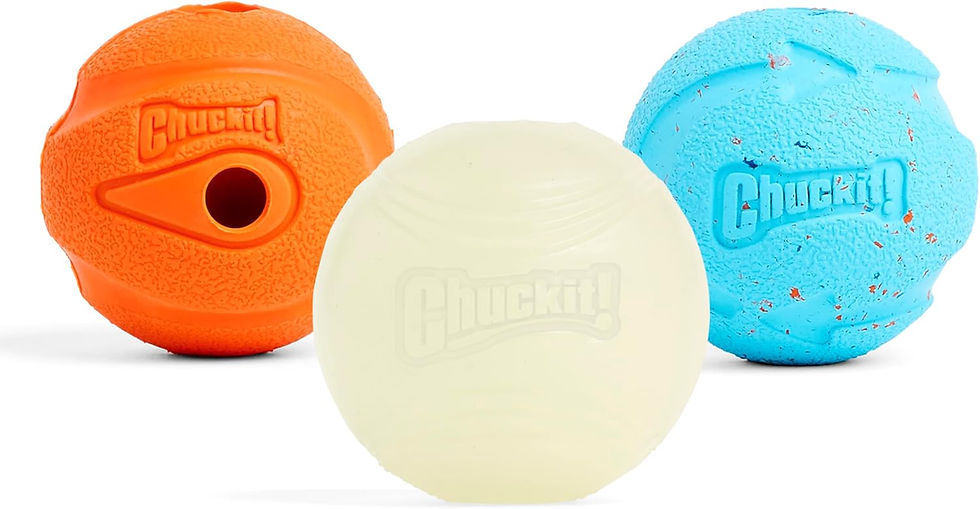
Balls are a classic favorite for many dogs and can be fantastic for games like fetch, helping your puppy burn energy while strengthening your bond. However, not all balls are created equal. Standard tennis balls can sometimes become a choking hazard if the outer material starts to peel, and some cheaper versions may even contain materials or glues that aren’t designed with dogs in mind. That’s why it’s important to choose balls that are specifically made for dogs. My personal recommendation is Chuckit! balls — they are uniquely designed, highly durable, and dogs absolutely love them. They’re built to withstand enthusiastic play and can last for years… unless you accidentally lose them somewhere during an epic game of fetch!
Soft Toys

Soft toys can be a lovely addition to your puppy’s toy collection, especially for comfort, gentle play, and carrying around the house. Many puppies enjoy cuddling them, shaking them, or using them as a companion during rest time. However, it’s important to choose well-made soft toys with strong stitching and durable materials, as some cheaper ones can easily tear and release stuffing that may become a choking hazard if swallowed. Soft toys are generally best suited for supervised play or calmer dogs, rather than heavy chewers. Rotating them in and out of your puppy’s toy selection can also help keep them exciting and engaging for longer.
Kong

The classic KONG Classic Dog Toy is one of the most versatile and beneficial toys you can have for your puppy. Made from durable natural rubber, it is designed to withstand chewing while also providing excellent mental stimulation. The hollow centre allows you to stuff it with food, treats, or paste, turning it into a rewarding enrichment activity that keeps your puppy busy and engaged. This can be especially helpful for teaching puppies to settle, relax, and enjoy independent time, while also slowing down fast eaters and reducing boredom. Used regularly, a stuffed KONG can become a powerful tool for mental stimulation, positive associations, and healthy chewing habits.
Bringing all of these essentials together — from collars and leads to toys and enrichment — will help give your new puppy the safest, happiest, and most stimulating start in life. Each item plays an important role in training, safety, and mental wellbeing, and choosing the right products from the start sets both you and your puppy up for success. And while you’re building the perfect starter kit, don’t forget that nutrition is just as important — for guidance on choosing the best meals for your growing puppy, check out my blog post on the ultimate guide to choosing the correct dog food here.


Comments