


THE ULTIMATE GUIDE TO CHOOSING THE BEST DOG FOOD
Updated: Jan 2

A healthy diet can help your pooch live longer!
Choosing the right food isn’t just about keeping your dog full — it plays a huge role in their overall health, comfort, and even their lifespan. But understanding how to pick the best dog food can feel overwhelming with so many options available. That’s why I created this ultimate guide to dog food, based on over a decade of experience working with dogs, researching nutrition, and personally testing different brands. In this guide, I break down the various types of dog food—kibble, wet food, raw diets, fresh human-grade meals, cold-pressed options, and more. For each type, I provide a clear overview, the pros and cons, and my top personal recommendation, complete with a link to purchase. Some of these links are affiliate links, which means I may earn a small commission if you buy through them—at no extra cost to you. My goal is to help you make the best choice for your pup’s health and happiness!
What Makes a Balanced Diet for Dogs?
A well-balanced diet is crucial for your dog's health, longevity, and happiness. While specific dietary needs vary depending on age, breed, and activity level, a general breakdown of a healthy canine diet includes:

Protein: 18-30% (Higher for active and working dogs)
Fats: 10-20% (Essential for energy and a healthy coat)
Carbohydrates: 30-50% (Should come from quality sources like vegetables and whole grains)
Fiber: 2-5% (Aids digestion and gut health)
Vitamins & Minerals: Essential for immune function, bone health, and overall well-being
How do I know my dog's food isn't quite right for my pooch?
When a dog is on the wrong diet, their body will usually start sending clear signals that something isn’t right. These signs can show up in their digestion, skin, behavior, or energy levels. Here are the most common symptoms that your dog’s diet needs a change.
Digestive Problems

Loose stool / diarrhea
Constipation or very hard stools
Excessive gas
Frequent burping
Acid reflux (licking lips, gulping, swallowing a lot)
Vomiting (occasionally or regularly)
Poo eating (coprophagia) — often due to nutrient deficiencies
Very smelly poop
More frequent pooping than normal
Skin & Coat Issues
Itchy skin
Redness or rashes
Dandruff or dry flaky skin
Hot spots
Hair loss or thinning coat
Dull, brittle coat
Ear infections (often food-allergy related)
Allergy-Related Symptoms
Often caused by common triggers like chicken, beef, wheat, soy, or dairy:
Excessive scratching
Licking paws constantly
Scooting
Red, irritated paws
Chronic ear infections
Watery eyes
Runny nose
Facial rubbing
Behavior & Energy Changes
Low energy or lethargy
Hyperactivity (blood sugar spikes)
Irritability
Difficulty focusing or training
Sudden behavior changes
Eating-Related Signs
Loss of appetite
Always hungry even after meals
Eating grass frequently
Craving non-food items (dirt, stones, poo)
Drinking excessively (can mean too much salt or poor-quality food)
Weight Issues
Unexplained weight gain
Trouble losing weight
Sudden weight loss
General Health Red Flags
Frequent infections
Slow healing
Bad breath not related to teeth
Inflammation / joint stiffness
Poor muscle tone
Dull eyes or tear staining
What to do when you suspect your dog is on the wrong diet
If two or more of these symptoms happen regularly, especially digestive + skin + energy issues, the diet is very likely the problem.
When introducing a new dog food, it’s important to make the switch gradually to avoid upsetting your dog’s stomach. Start by mixing just a small amount of the new food into their regular meals. On Day 1, use 90% of the old food and 10% of the new. On Day 2, move to 80% old and 20% new, and continue increasing the new food by about 10% each day. This slow transition gives your dog’s digestive system time to adjust and helps prevent diarrhea, vomiting, or tummy discomfort. By the end of the week, your dog should be fully transitioned and happily enjoying their new diet.
How to check the quality of dog food
How can you make sure the food you pick is a good quality? And believe me it often does not depend on pricing.
I personally love using the website https://www.allaboutdogfood.co.uk/ since this is a great tool to check the quality of almost any dog food on the market. If the product rating is above 85% you're generally good to go and you can be confident your pooch is getting the best nutrition and a well balanced diet.
Now, let’s dive into the different types of dog food, their benefits, and the best brands available.
Dehydrated & Freeze-Dried Dog Food
This is my absolute favorite out of all options as it simply ticks all the boxes for me. My dog, Winston has a sensitive stomach. We've spent a year traveling around Europe and sourcing the right food across countries was a massive issue at the beginning. But our storage space was very limited traveling in a small car. I set out to find an option that is well balanced and high on nutrition (because I wasn't going to sacrifice on that!), lightweight and easy to store and doesn't require a fridge or freezer since we often did not have access to it. I also needed to consider that Winston is super fussy and often refuses to eat food he doesn't fancy. ( I know, he is a little spoiled...) And I found PURE PET FOOD. Honestly, I couldn't be happier! I found everything I've been looking for and more! Winston has never been healthier, his acid reflux is completely gone (we've been struggling with it for years) and he also stopped his rather disgusting poop eating habit since he's been on Pure. I can't stop raving about it, so incredibly happy with the result!
PURE PET FOOD is gently dried to remove moisture while preserving nutrients. It can be re-hydrated before feeding by simply adding some water.

Pros
✔️ Lightweight and easy to store - Perfect if you travel frequently
✔️ No fridge or freezer space required
✔️ Fussy dog proof
✔️ Well balanced and high on nutrition
✔️ Longer shelf life
Cons
❌ It isn't a particularly budget friendly option but it is simply so good it's worth every penny
My recommendation
PURE PET FOOD

Click here to get 30% off your first box and free treats for life!
Fresh Human-Grade Dog Food
Fresh dog food is made with high-quality, human-grade ingredients and is often delivered fresh or frozen to maintain nutrients. Winston was absolutely loving his Butternut Box meals and I would never have swapped if it wasn't for us traveling full time. It is so mouthwatering, I often felt tempted to steal his meal :)
Pros:
✔️ High nutritional value with fresh, real food
✔️ No artificial preservatives or fillers
✔️ Customizable for dietary needs
✔️ Perfect for fussy dogs
Cons:
❌ Requires refrigeration/freezing
❌ It isn't your cheapest option
❌ Shorter shelf life
My recommendation
BUTTERNUT BOX

Butternut Box
Use the button below to claim your 50% off your first 2 boxes!
Kibble (Dry Dog Food)
Kibble is the most common type of dog food. It's convenient, cost-effective, and has a long shelf life. It is made by cooking and extruding ingredients into dry, bite-sized pieces.

Pros
✔️ Affordable and widely available
✔️ Easy to store and portion
✔️ Helps maintain dental health by reducing plaque
Cons
❌ May contain fillers and artificial additives
❌ Lower moisture content can lead to dehydration
❌ Some brands use lower-quality protein sources
❌ Fussy dogs may not like it
My recommendation
ORIJEN - High protein, grain free premium quality kibbles

Wet Dog Food
Wet food is made with high moisture content (around 70-80%) and typically includes meat, vegetables, and grains in a gravy or pate form.

Pros
✔️ High moisture content supports hydration
✔️ Easier to eat for senior dogs and picky eaters
✔️ Usually contains fewer preservatives than kibble
Cons
❌ More expensive than kibble
❌ Shorter shelf life once opened
❌ Can be messy and require refrigeration
❌ Oral health requires more attention due to reduced chewing
My recommendation
FORTHGLADE - grain free premium quality wet food

Raw Dog Food (BARF & Prey Model)
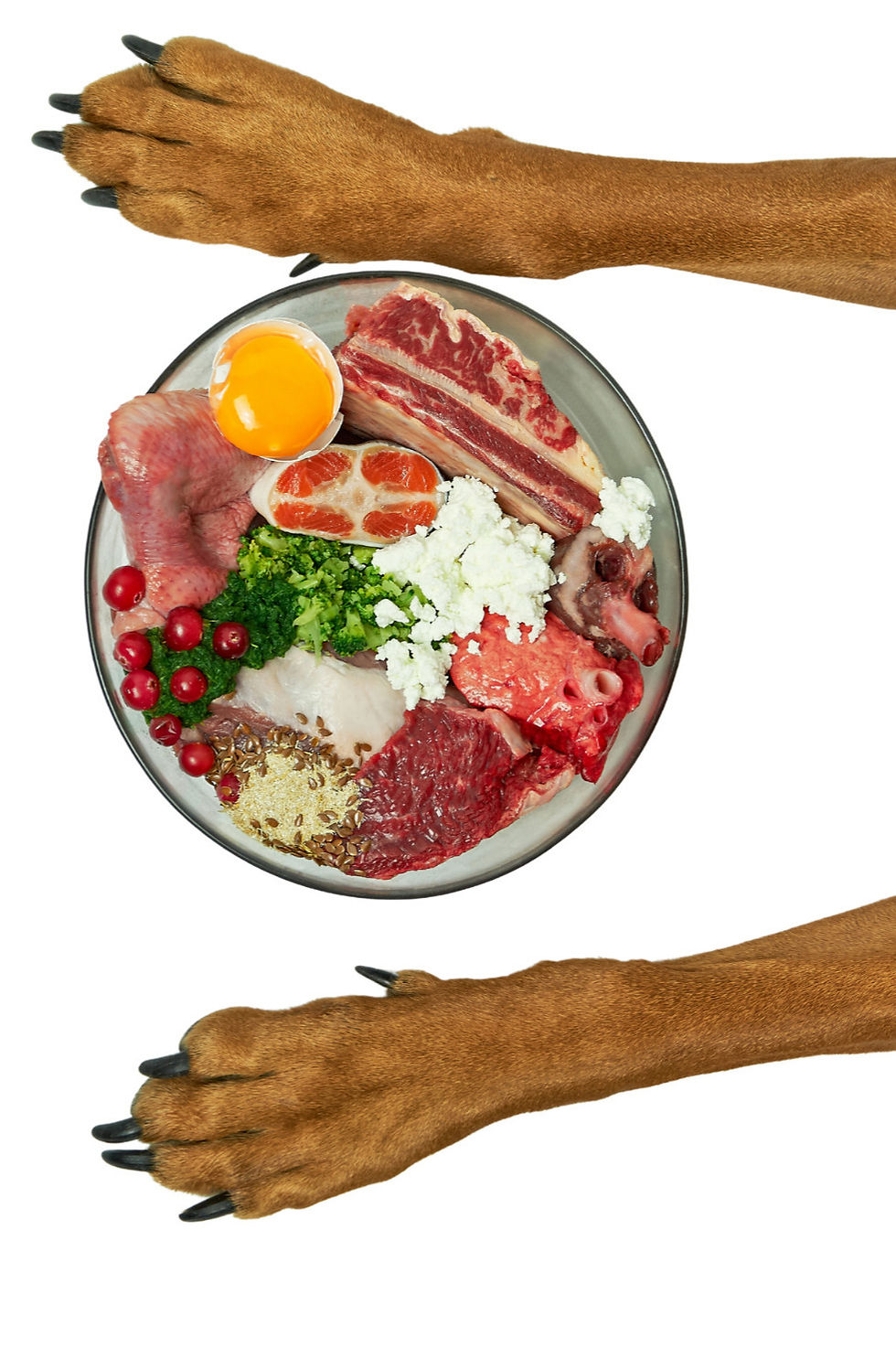
Raw diets consist of uncooked meats, bones, organs, and sometimes vegetables. There are two main types: BARF (Biologically Appropriate Raw Food) and the Prey Model (focuses more on whole animal parts).

Pros
✔️ Closest to a natural canine diet
✔️ High in natural enzymes and nutrients
✔️ Often improves skin, coat, and digestion
Cons
❌ Requires careful handling to avoid bacterial contamination
❌ Can be expensive and time-consuming to prepare
❌ May not be balanced without supplementation (when prepared at home)
❌ Requires a lot of fridge/freezer space
My recommendation
COTSWOLD - Premium British BARF Complete Raw Food (Convenient and balanced)

Cold-Pressed Dog Food
Cold-pressed dog food is made by gently pressing ingredients at low temperatures, preserving nutrients better than traditional kibble.
Pros

✔️ More nutrient-dense than kibble
✔️ Easier to digest due to minimal processing
✔️ Retains more natural flavors
Cons
❌ More expensive than traditional kibble
❌ Less commonly available
My recommendation
FORTHGLADE - Cold Pressed Hypoallergenic Dog Food

Choosing the Right Dog Food for Your Pup
When selecting the best dog food, consider factors such as:

Budget – Kibble is the most affordable, while fresh and raw diets can be costly.
Convenience – Dry kibble is easy to store and serve, while raw and fresh foods require more preparation.
Nutritional Needs – Puppies, senior dogs, and those with health conditions may require specialized diets.
Storage – Wet, raw, and fresh foods need refrigeration, while kibble and freeze-dried options have longer shelf lives.
Did you know?
Natural supplements can support your dog’s health even further. Discover which natural supplements are worth adding to your dog’s diet
Each dog is unique, so finding the best food type often requires some trial and observation. Consult with your veterinarian before making significant changes to your dog’s diet to ensure they’re getting optimal nutrition.
What type of food does your pup love? Let us know in the comments!




This guide is a total game-changer for anyone lost in the "kibble minefield"! 🐾
I love how you highlighted those "Red Flags"—so many owners don't realize that constant paw-licking or "poo eating" can actually be solved by changing what's in the bowl. If your pup is showing those tell-tale skin or digestive signs, diving deeper into Understanding Dog Food Allergies is the perfect next step.
And for the multi-pet homes, don't forget the feline side of the family with the Best Cat Food 2026 (UK) guide! Once you've found the perfect brand from this list, make sure the portions are spot-on with this Free Pet Calorie Calculator to keep them at their healthiest weight.