


DOG TRAINING SECRETS - BRIBING VS REWARDING YOUR DOG - The Small Shift That Changes Everything
Have you ever found yourself holding a treat in front of your dog, waving it slightly, hoping they’ll finally listen?

“Sit… sit… SIT… look, I’ve got a treat!”
And suddenly—they do it.
It feels like it worked… but something about it doesn’t quite feel right.
That’s because there’s a big difference between bribing and rewarding your dog—and understanding it can completely transform your training.
The Core Difference (In One Simple Line)
Bribing = “Do this, and I’ll show you the reward first.”
Rewarding = “You did it—here’s your reward.”
It might sound subtle… but to your dog, it’s a completely different learning experience.
What Bribing Looks Like in Real Life
Bribing often happens without us even realizing.
Example:
You want your dog to sit. You hold a treat in front of their nose. They follow the treat… and sit.
Technically, yes—they sat.

But what did they actually learn?
“Follow the food.”Not: “Respond to the word ‘sit’.”
Over time, your dog starts to think:
“Where’s the treat?”
“No treat? No reason to listen.”
This is why dogs that are used to bribing often:
Only respond when they see food
Ignore commands without a visible reward
Seem “selectively obedient”
What Rewarding Looks Like
Rewarding flips the order—and that changes everything.
Example:
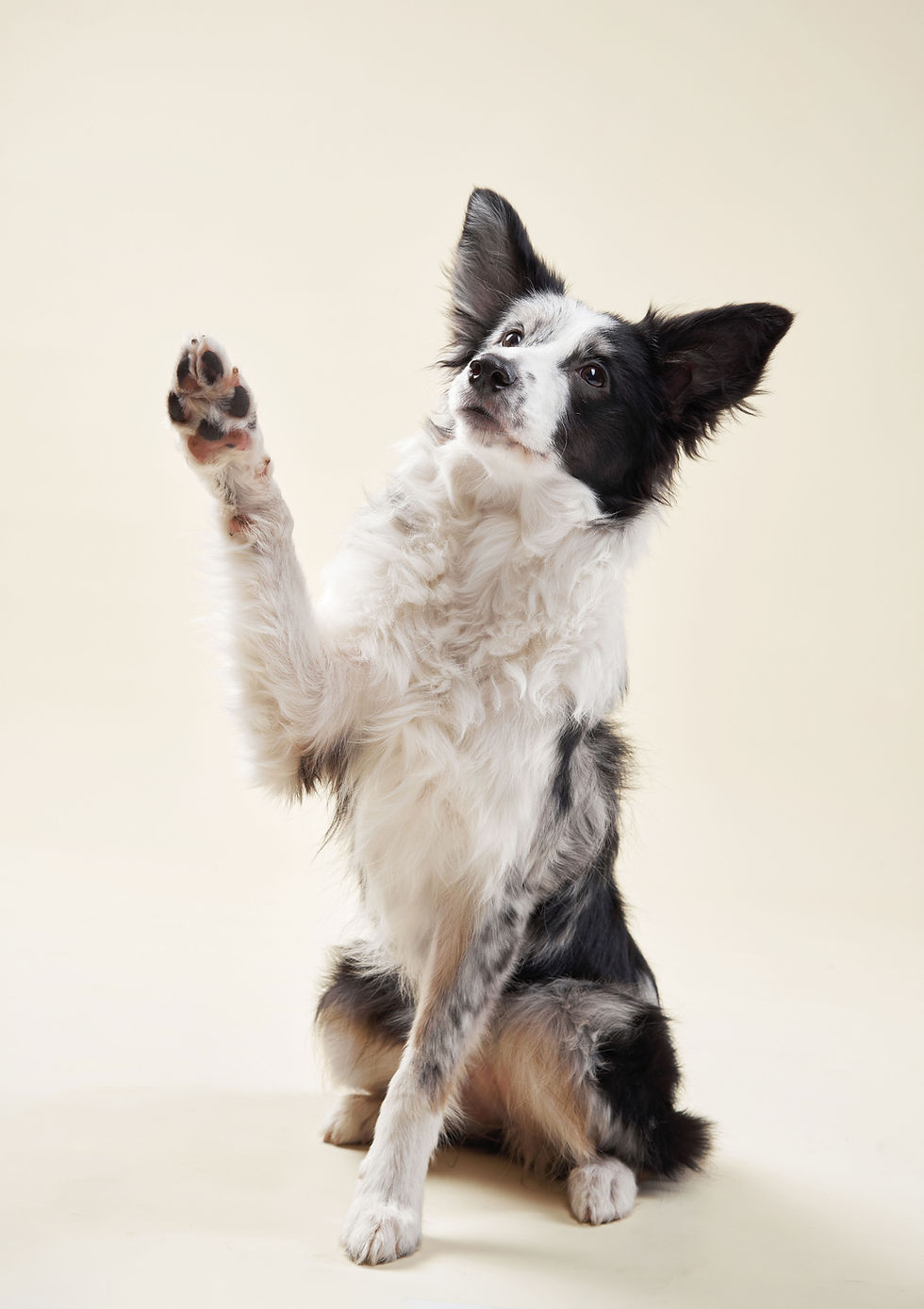
You ask your dog to sit. They sit and you mark it (“yes!”) and then give a treat.
Now your dog learns:
“When I hear ‘sit’ and do it—I get something good.”
The focus shifts from the food… to the behavior.
And that’s where real training begins.
Why Timing Still Matters
Even when rewarding (instead of bribing), timing is crucial.

If the reward comes too late, your dog might connect it to the wrong behavior.
That’s why using a marker (like “yes!” or a clicker) is so powerful—it bridges the gap between action and reward.
Behavior → marker → reward
This creates clear, fast learning.
“But Don’t I Need Treats at the Start?”
Yes—but how you use them matters.
There’s a stage in training where food is used as a guide (sometimes called “luring”). That’s completely normal.
The key is this:👉 Don’t stay in the luring phase too long.
Smooth transition:
Use the treat to guide the behavior (early stage)
Start asking without showing the treat
Reward after the behavior happens
This shift is what moves you from bribing… to training.
Why Bribing Slows Progress
Bribing can feel like a shortcut—but it actually creates dependency.
Your dog learns to:
Wait for proof before acting
Rely on external motivation only
Ignore cues without visible payoff
At times, their motivation for a certain behavior may be stronger than a their interest in the food reward (For example meeting another dog or chasing a cat)
In other words… they stop thinking, and start negotiating.
Why Rewarding Builds Trust and Willingness
Rewarding creates something much deeper than obedience.
It builds:
Confidence → your dog understands what works
Clarity → the rules feel predictable
Motivation → they want to engage with you
Instead of asking, “What do I get?”Your dog starts thinking, “I know how to win here.”
A Simple Test
Next time you ask your dog for a command, notice this:
Do they look at your face… or your hands?
Looking at your hands → they’re searching for a bribe
Looking at you → they’re tuned into communication
That one detail tells you a lot about your training.
A Better Way to Think About It

This isn’t about never using treats.
It’s about how and when you use them.
Treats shouldn’t be a negotiation tool.
They should be a way of saying:
“Yes. That right there—that’s exactly what I wanted.”
Final Thought
Bribing asks your dog to work for food. Rewarding teaches your dog to work with you.
And that small shift? It’s where real connection begins.


Comments